
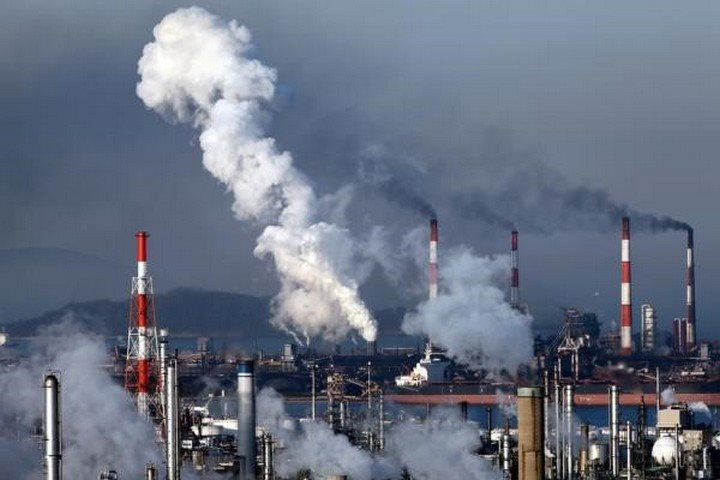
In addition to electricity, many factories rely on fossil fuels to power their production processes, especially in processes that involve heating, steam generation, or running generators. The most commonly used fossil fuels include:
- Coal: A High Emission Energy Source
Coal is typically used in boilers, dryers, or industrial heating systems. However, it is a high-emission energy source that is gradually being phased out in the fashion supply chain to reduce greenhouse gas emissions. Its high environmental impact makes it less favorable as industries shift toward more sustainable alternatives.
- Diesel Oil / Fuel Oil (DO/FO)
Diesel oil (DO) and fuel oil (FO) are primarily used for backup generators, boilers, and direct combustion equipment. Diesel oil is also commonly used in internal transportation vehicles, such as forklifts and trucks within factory premises. While these fuels provide flexibility, they contribute significantly to emissions, thus necessitating a shift toward cleaner alternatives.
- Liquefied Petroleum Gas (LPG)
LPG is commonly used in boilers, dryers, dyeing systems, or industrial kitchens. It has a higher combustion efficiency and lower emissions compared to coal but still remains a fossil fuel. Its use continues to be widespread due to its cost-effectiveness, although the industry is moving towards cleaner energy options.
- Natural Gas (NG/LNG)
Natural gas (NG) or liquefied natural gas (LNG) is considered a cleaner alternative compared to LPG and oil. It is used in factories that have access to natural gas pipelines. Natural gas emits 20–30% less CO₂ than diesel oil, making it an attractive option for industries aiming to reduce their carbon footprint.

 Factories must regularly monitor their consumption of each type of fossil fuel and assess the opportunities for transitioning to renewable energy sources or more energy-efficient alternatives. This shift will help mitigate greenhouse gas emissions and align with global sustainability goals. By adopting cleaner energy sources, factories can not only improve their environmental performance but also enhance their long-term competitiveness in the global market.
The shift toward renewable energy and better energy efficiency remains essential for reducing the environmental impact of fossil fuels, especially in the textile industry, one of the key export sectors of Vietnam.